
Models
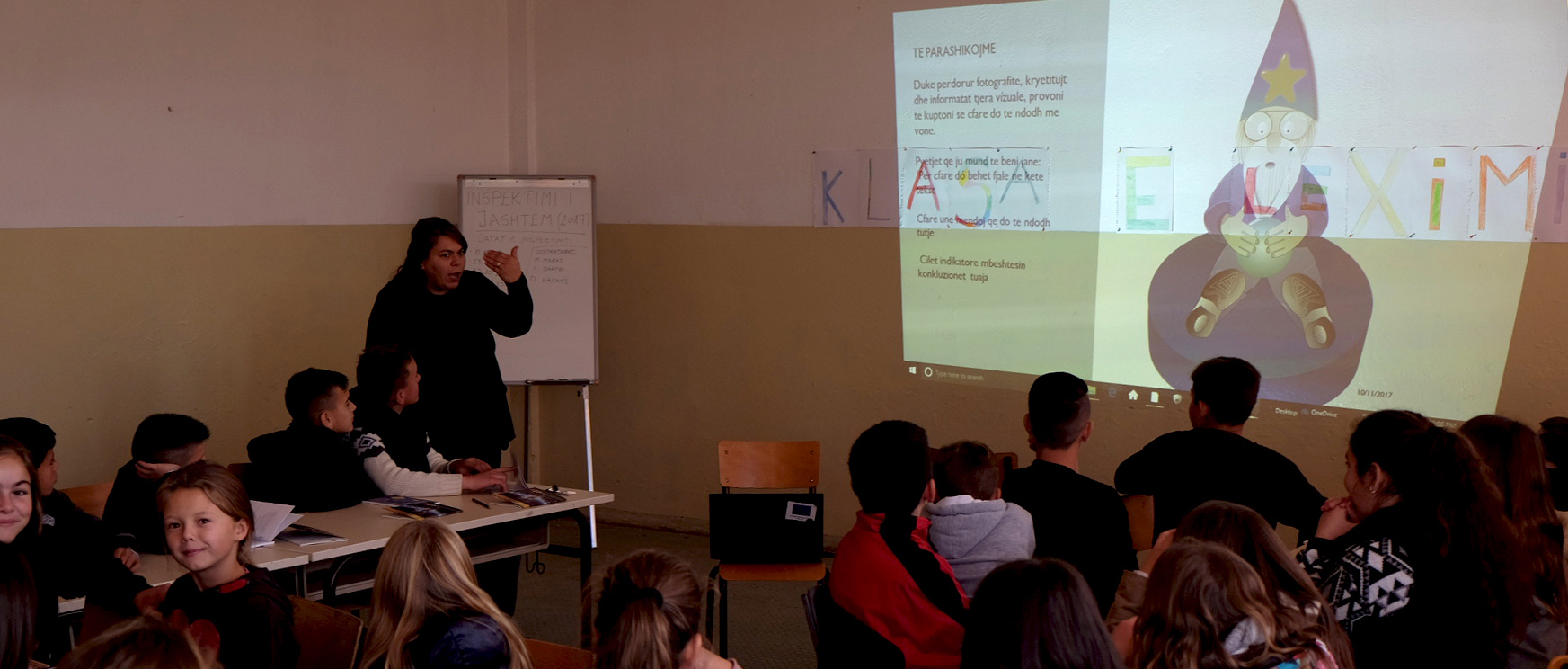
The RT and TSI are the reading models which we rely on when working with literature. These models are used by the Swedish organization "En Läsande klass" and our team members who use it in their daily work as teachers.
Here follows a description of the models mentioned above. RT was developed during the 1980s by the researchers Palincsar and Brown who developed four basic strategies that expert readers use to understand the reading. They are to predict, ask questions, to clarify uncertainties and to summarize. When these strategies are trained in a conscious manner, it results in increased reading comprehension. The TSI is based on the same four basic strategies as RT. The model is called for transactional, because it is based on two principles: exchanges of strategies between teachers and students and the exchange of the meaning-making between teachers and students in the text. Researchers Beck and McKeown (Beck, McKeown, Hamilton & Kugan, 1997) have developed a model for structured text calls, QtA. The model is based on the reader asking questions that question the author and the text's authority. The reader must become aware that the author behind the text affects both the content and the readability of the text.
Many Swedish researchers have advocated the importance of continuously and systematically working on developing reading comprehension among children, adolescents, and adults. Two of them are Monica Reichenberg, Professor of General Didactics at the Department of Education and Special Education at the University of Gothenburg and former professor of literacy at Umeå University, and former Professor Ingvar Lundberg.
Through her work as a teacher educator and doctoral student in pedagogical assessment, focusing on student’s reading comprehension at Stockholm University, Barbro Westlund has written books on several different research-based models with documented effect on reading comprehension. She has tried to transform, concretize and explain Canadian models, making them easy to use and implement for teachers. She introduced the term “Läsfixarna" to explain that reading strategies for students can be described as mental tools for increased understanding.